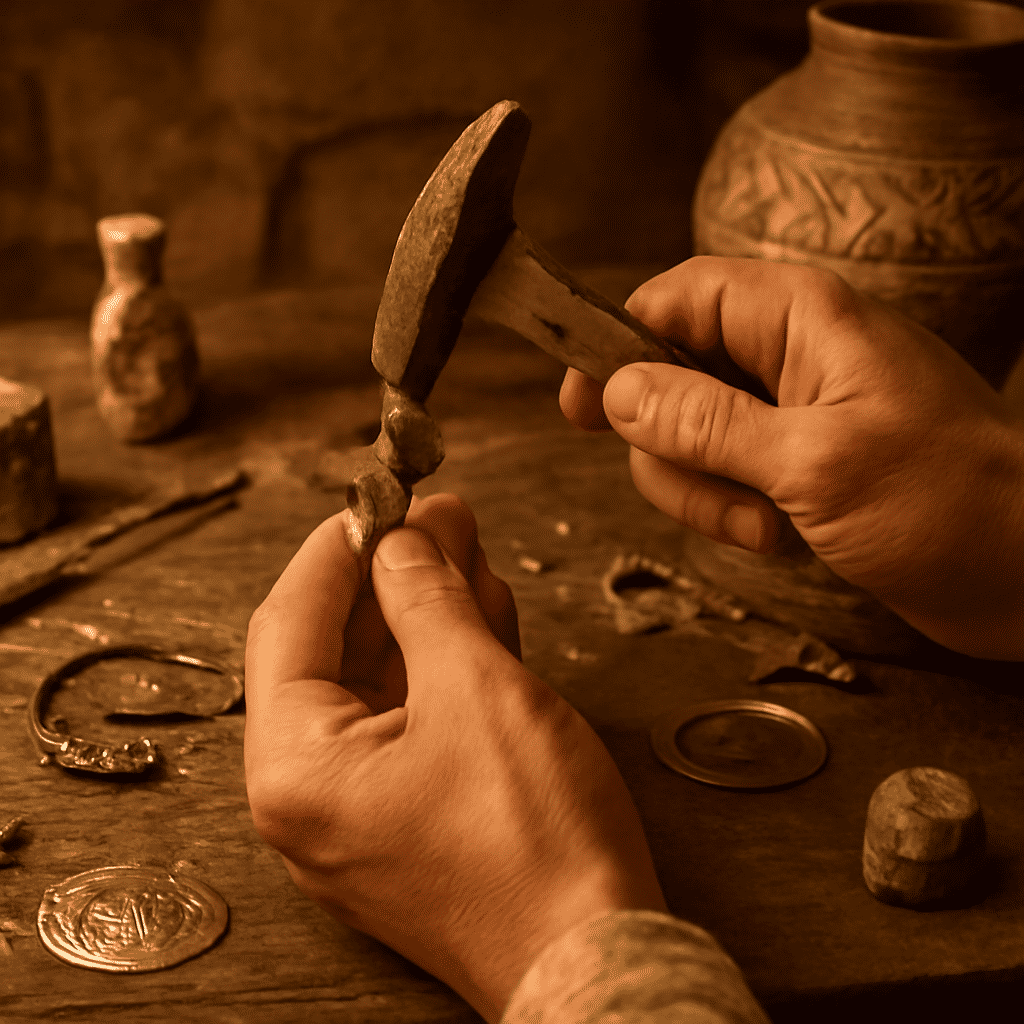
For millennia, the art of adorning the human body with ornamental pieces has been a testament to the creativity and intricate craftsmanship of ancient civilizations. These adornments, often seen today as mere accessories, were much more than decorative pieces. They held profound symbolic meanings and were imbued with cultural significance, reflecting the beliefs, customs, and societal structures of the communities that created them.
In ancient Egypt, for example, jewelry was regarded as essential for both the living and the dead. Amulets, crafted from materials such as gold and semi-precious stones, were believed to offer protection and power to their wearers. The scarab beetle, emblematic of the sun god Ra, was a prevalent motif, symbolizing rebirth and eternity. Egyptian nobility adorned themselves in ornate collars and bracelets, signaling their status and closeness to the divine.
The Mesopotamians, residing in what is now modern-day Iraq, were pioneers in developing intricate metalwork techniques. They crafted pieces from metals such as gold, silver, and electrum, often inlaid with lapis lazuli and carnelian. Jewelry in Mesopotamia went beyond personal beautification; it was integral to their religious ceremonies and rites, often used to honor the gods and convey blessings.
Meanwhile, in ancient India, the tradition of crafting exquisite jewelry has deep roots and is intertwined with spirituality. Jewelry was not only a reflection of wealth but also carried religious significance. Gold jewelry, in particular, was revered, considered a symbol of purity and prosperity. Each piece was thoughtfully crafted to align with cultural beliefs and practices, integrating motifs that represented natural elements and deities.
Indigenous tribes in the Americas utilized materials native to their regions, such as shells, bones, and feathers, to craft adornments that held immense cultural significance. These pieces often represented connections to the earth and their ancestors, serving as a tangible link to their heritage and the natural world.
The ancient Greeks and Romans also marked a significant period in the evolution of jewelry. The Greeks favored simplicity and elegance, often crafting pieces that depicted gods and mythological themes. For Romans, jewelry symbolized social status and power. Patterns from this era influenced countless generations, showcasing a blend of engineering prowess and artistic flair.
Across cultures, adornments were often presented as tokens of goodwill in diplomacy, marriage, and familial bonds. They were worn as symbols of protection, to attract love, to indicate allegiance, or as markers of identity within a community.
Today, these ancient traditions continue to resonate around the world. Modern jewelry design draws inspiration from age-old techniques and motifs, celebrating the enduring legacy of these timeless cultures. Through the study of these historical adornments, we gain insight into the intricate tapestry of human civilization and the universal desire to convey identity, belief, and beauty through art.