Jewelry has long been a vital form of expression, transcending mere ornamentation to reflect cultural values, technological advancements, and artistic innovation. The evolution of materials used in crafting these pieces has played a significant role in shaping the form and function of jewelry throughout history.
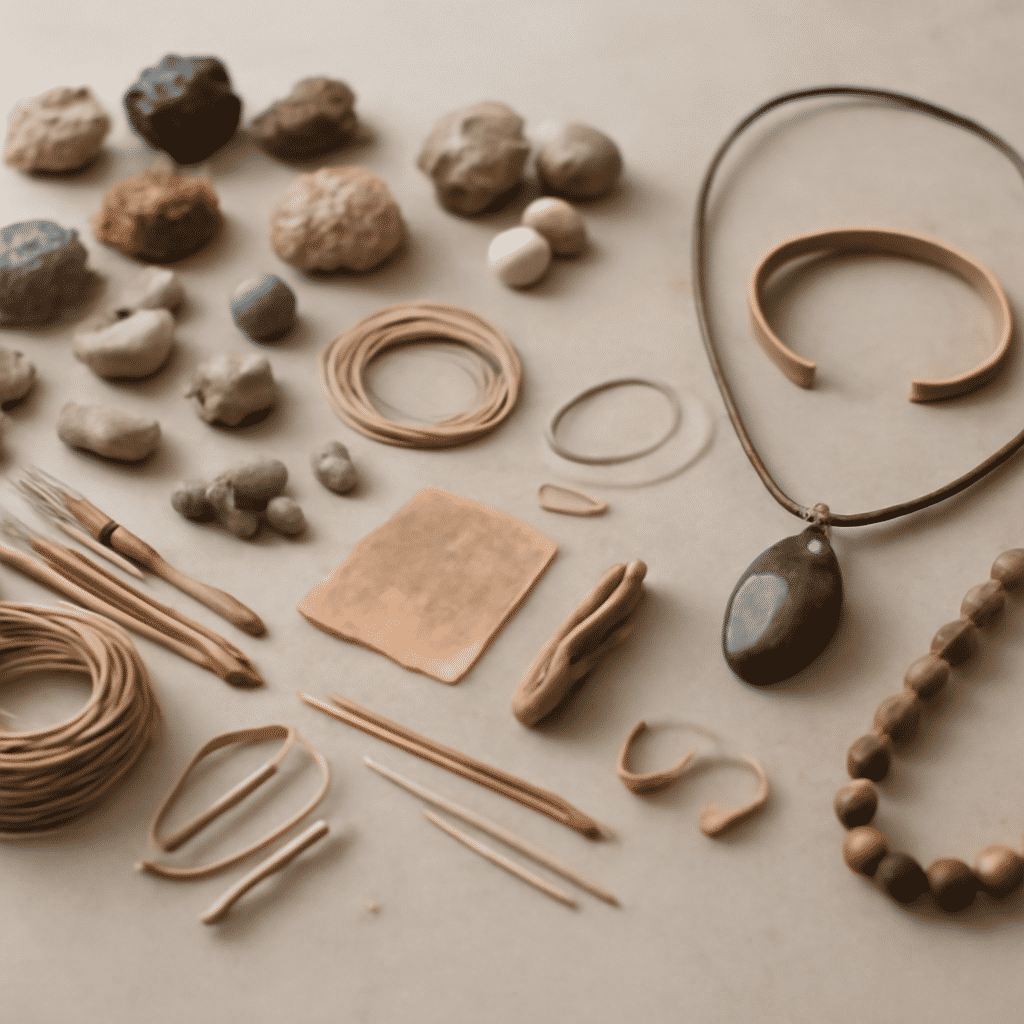
In ancient times, jewelry was predominantly crafted from natural materials that were readily available in the surrounding environment. Early artisans made use of shells, bones, stones, and wood, each piece designed with an intimate connection to nature. These materials, often selected for their beauty or rarity, were transformed into symbolic adornments that signified status, spirituality, or protection.
As societies evolved, so did their access to materials. The discovery and utilization of metals marked a significant advancement in jewelry craftsmanship. Gold, with its lustrous quality and resistance to tarnish, became the preferred metal for many ancient civilizations. Cultures such as the Egyptians, Romans, and Greeks pioneered techniques in metalworking, creating intricate designs that reflected their beliefs and societal structures. The introduction of silver and copper further expanded the creative possibilities, allowing artisans to experiment with alloys and new techniques such as filigree and granulation.
The intersection of craftsmanship and technology became even more pronounced during the Middle Ages and Renaissance periods, as cross-cultural exchanges introduced new techniques and materials. The Middle Ages witnessed the enamel technique gaining popularity, while the Renaissance period celebrated humanism and the revival of classical antiquity, resulting in elaborate designs featuring gemstones set against intricate metalwork.
The Industrial Revolution marked another significant shift in jewelry production. The mass production capabilities enabled by industrialization democratized access to jewelry, previously a luxury of the elite. Techniques such as electroplating and stamping allowed for more intricate designs at a larger scale. Alongside traditional gems and metals, materials like glass and synthetic stones made their way into jewelry, offering new aesthetic and affordable options.
In contemporary times, the realm of jewelry continues to evolve. Modern innovations have introduced synthetic materials, such as plastic and resin, which challenge traditional notions of value and craftsmanship. The advent of 3D printing has revolutionized design possibilities, allowing for the creation of complex structures that were once impossible with manual techniques. Additionally, the growing awareness of ethical and sustainable practices has seen a resurgence in the use of recycled materials and conflict-free stones, blending technology with conscious creation.
Jewelry has evolved from humble beginnings of natural forms to a sophisticated blend of artistry and innovation. While the materials have shifted from organic to modern creations, the essence of jewelry as a personal and cultural expression remains unchanged. Each piece continues to tell stories of the past, reflect the present, and inspire the future, immortalizing the human connection to art and nature.