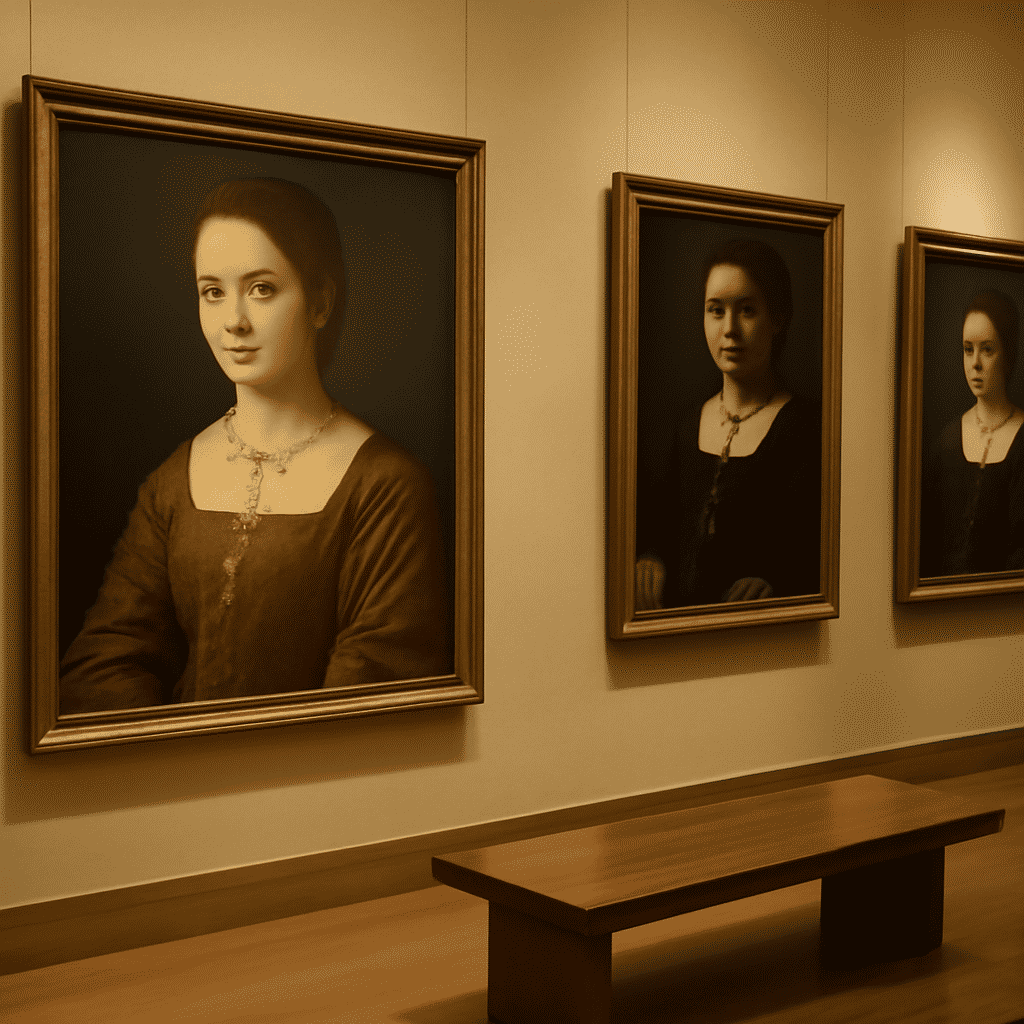
Throughout history, jewelry has held a significant place not only as a means of personal adornment but also as a subject and symbol in the world of art. It represents cultural values, personal identity, and societal norms, often serving as a reflection of the era in which it was created. Artists have long been captivated by the challenge of portraying jewelry with its intricate designs and shimmering allure on canvas, sculpture, and other artistic mediums. This article explores how jewelry has been immortalized in art and what it reveals about the times and people who valued it.
From ancient times, jewelry has been depicted in various art forms as a testament to power and wealth. In Egyptian art, for instance, jewelry is not just decorative but a symbol of status and divine protection. Pharaohs and deities are frequently shown adorned with elaborate items like amulets, necklaces, and headdresses, constructed from precious metals and stones. These depictions highlighted the craftsmanship of the era and the belief in jewelry as a conduit for supernatural power.
In the classical world, particularly in Greek and Roman art, jewelry accentuated the grace and beauty of gods and mortals alike. Sculptures and frescoes frequently featured intricately depicted pieces, ranging from simple earrings to elaborate diadems, emphasizing harmony and proportion that celebrated the human form. Artists paid meticulous attention to the details of jewelry, capturing its texture and refraction of light, thereby enhancing the elegance and dignity of their subjects.
The Middle Ages offered a distinct perspective where jewelry in art symbolized both religious devotion and secular power. Illuminated manuscripts and altarpieces frequently featured golden halos and gemstone-encrusted religious items, illustrating their heavenly significance. Meanwhile, portraits of nobility showcased the wealth and social standing of the elite, with richly adorned necklines and brooches telling silent stories of lineage and influence.
As we move into the Renaissance period, the portrayal of jewelry becomes even more sophisticated. Artists like Leonardo da Vinci and Jan van Eyck infused their portraits with a remarkable level of realism, capturing the opulence of jewels with masterful techniques of light and shadow. These artworks reflected a renewed interest in humanism and the celebration of earthly beauty, with jewelry serving both as a fashion statement and an emblem of the sitter's intellect and refinement.
The evolution continued into the 19th century, where the emergence of the middle class led to new narratives around jewelry in art. Impressionist painters, for example, might depict jewelry in everyday settings, highlighting its accessibility and the subtler ways it enhances personal expression. The play of light on gems and metals, a common fascination for Impressionists, depicted jewelry not as merely objects of luxury but as integral elements of life's visual splendor.
In contemporary art, jewelry often transcends its historical symbolism to engage with themes of identity, gender, and global culture. Artists like Jeff Koons and Damien Hirst have incorporated jewelry motifs into their work, challenging viewers to reconsider its significance in modern life. Meanwhile, contemporary portraiture and photography might utilize jewelry to explore personal stories and cultural heritage, underscoring its continued relevance as a medium for connection and communication.
In essence, the depiction of jewelry in art offers a rich narrative that captures its evolving allure and significance. Across centuries and cultures, it reflects not only advancements in artistry and technique but also profound insights into human civilization's values and aspirations. From its earliest days to the present, the portrayal of jewelry in art continues to enchant and reveal the layers of meaning that adorn the human experience.