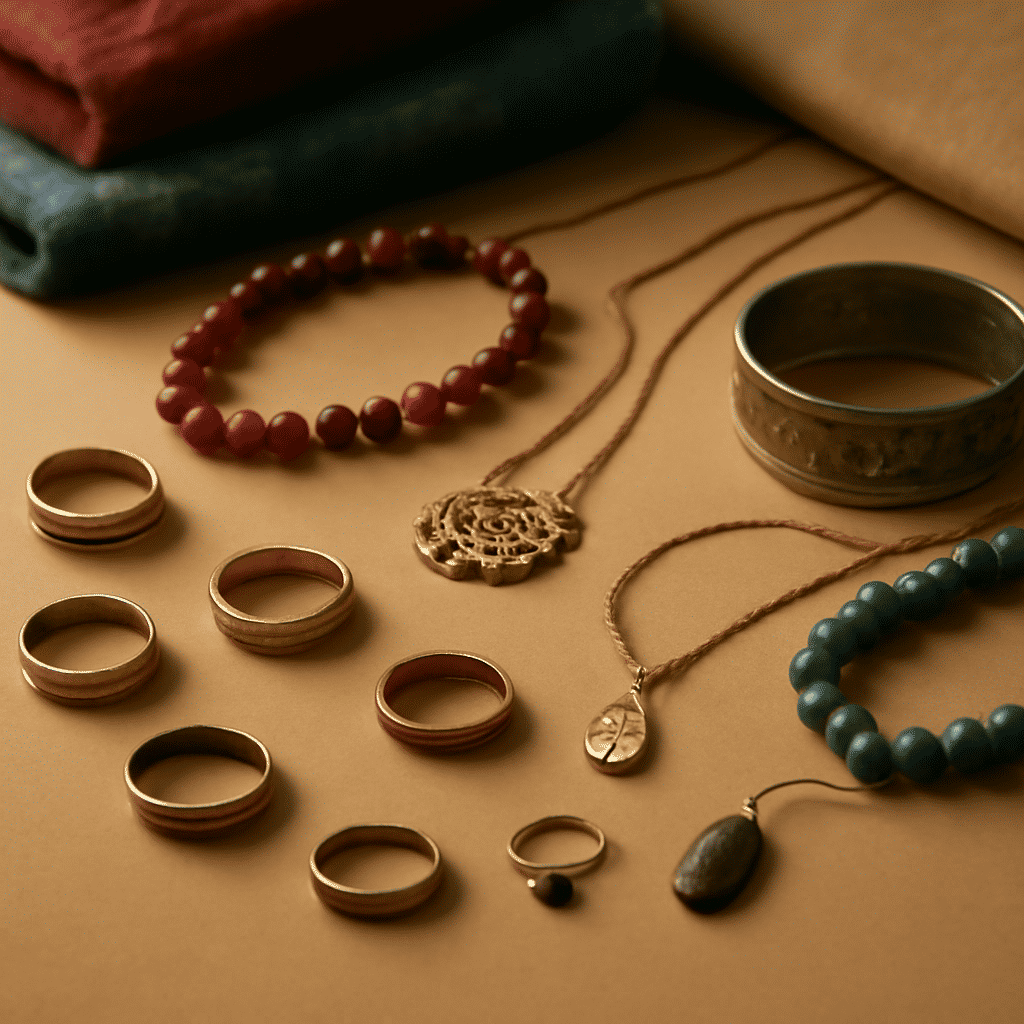
Jewelry has long been more than just ornamental; across diverse cultures, it serves as a powerful symbol of protection, identity, status, and tradition. The significance of these precious adornments varies significantly from one society to another, with each culture attributing its unique meanings and stories to them.
In ancient Egypt, for instance, jewelry was not only a representation of wealth and status but also an embodiment of spiritual and protective qualities. Amulets, such as the ankh, were customarily worn to safeguard individuals from harm in the afterlife. The scarab beetle symbolized rebirth and regeneration, a key belief in Egyptian culture. Gold, a favorite among the Egyptians, was believed to represent the flesh of the gods and was thus imbued with divine significance.
Moving to the East, in India, jewelry is deeply rooted in cultural and religious practices. Specific pieces, like the mangalsutra, hold immense value in Indian society as a symbol of marital commitment, parallel to wedding rings in Western cultures. Moreover, Indian jewelry often features gemstones, each believed to influence different aspects of life. Ruby is linked to vitality and energy, whereas sapphire is valued for its protective qualities.
Across the ocean, in the Indigenous cultures of North America, jewelry often serves as a storytelling tool or a representation of one's heritage. For instance, the intricate beadwork of the Navajo people tells stories of ancestry and cultural narratives. Turquoise, frequently used in Native American jewelry, is revered for its healing properties and spiritual significance, acting as a connection between the physical and spiritual worlds.
African cultures also provide a fascinating tapestry of jewelry symbolism. The Maasai of East Africa, for instance, are known for their vibrant beadwork, where color and design communicate a plethora of messages ranging from social status to familial ties. Beads in various colors hold different symbolic meanings, with red symbolizing bravery, and green signifying health and land.
In modern Western cultures, jewelry continues to symbolize love and commitment. Engagement rings with diamonds are popular, not only for their aesthetic appeal but also for their representation of enduring love and commitment. The exchange of rings during marriage ceremonies underlines the idea of unity and continuity.
As diverse as these interpretations are, they all underline the universal human trait of imbuing objects with deeper meaning. Jewelry, across the globe, serves as a testament to personal beliefs, societal roles, linguistic traditions, and spiritual understandings, illustrating the rich tapestry of human culture and history. Whether as an expression of divine connection or a marker of personal milestones, the symbolic roles of jewelry are as varied as the societies that craft them.